How We Transformed 300+ North Vancouver Homes (And What We Learned That Nobody’s Talking About)
Three years ago, I stood in a kitchen in Lynn Valley watching a homeowner named Janet stare at her newly renovated space with tears in her eyes. Not sad tears. The kind of tears that come when something you’ve imagined for years finally becomes real. The sunlight was hitting the new quartz countertop just right. The open shelving showed off the vintage dishware she’d collected over twenty years but never had space to display. The kitchen island—the thing she’d mentioned during our first consultation while pointing at a Pinterest photo—was exactly what she’d described, except better because we’d actually listened to how she cooked.
That moment changed everything about how I think about kitchen renovations.
See, here’s what nobody tells you: kitchen renovations aren’t really about kitchens. They’re about how you move through your home. They’re about whether you dread cooking or you actually want to be in that space. They’re about whether your morning coffee feels like a rushed obligation or a moment you actually look forward to. They’re about fifteen years of coming home and thinking, “I love this space” instead of “I need to fix that someday.”
I’m Kyle from Walker General Contractors. We’ve been doing this work across North Vancouver—from Deep Cove to Lynn Valley, from Cypress to downtown Vancouver—for over two decades. We’ve overseen more than 300 kitchen renovations. We’ve learned what actually matters. And we’ve learned what everyone gets wrong.
The Story Behind Why We Do This
Before we were the “renovation people,” we were just regular contractors trying to figure out what homeowners actually wanted. I remember my first kitchen renovation in 2005. It was technically perfect. The cabinets were installed correctly. The countertops were level. The electrical code was satisfied. The homeowner paid us and seemed happy.
Six months later, I ran into them at a coffee shop on Marine Drive. They told me they’d regretted the whole thing. Not because the work was bad. But because they’d let a designer convince them to choose form over function. The layout didn’t match how they actually cooked. The island was too tall for their teenage daughter to comfortably use. The storage was beautiful but completely impractical.
That’s when I realized we weren’t in the kitchen business. We were in the “understanding how you live” business.
Everything changed after that. We started asking different questions during consultations. Not “What style do you like?” but “Walk me through your typical Tuesday morning. What frustrates you? What would make cooking dinner more enjoyable?” We started spending time in kitchens watching families actually use them instead of just looking at design magazines.
What we discovered was simple but profound: the best kitchen renovations solve real problems for real people.
The Three Types of Kitchen Renovations We See in Vancouver (And Which One Actually Matters)
After 300+ projects across North Shore neighborhoods and beyond, we’ve identified a pattern. There are really three types of kitchen renovations happening in Vancouver homes.
Type One: The Instagram Kitchen
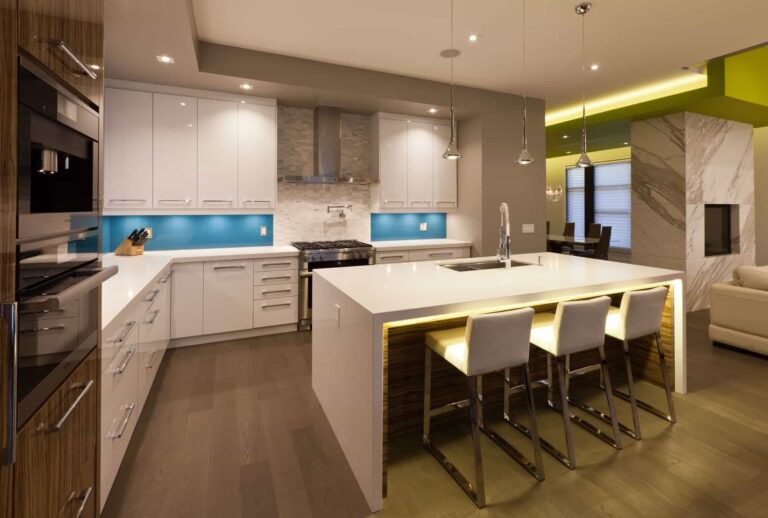
These are the renovations where the primary goal is “it has to look amazing for photos.” The style matters more than the function. The layout is designed to photograph well rather than work well. These kitchens are stunning until you actually try to use them. Then you realize the island is blocking sight lines to the stove. The open shelving looks beautiful but storing everyday items there means constant dust. The layout looks interesting but creates weird workflow problems during actual cooking.
We’ve done plenty of Instagram kitchens because that’s what people asked for. And I’ll be honest—they look beautiful. But I’d estimate 60% of homeowners regret them within two years.
Type Two: The Contractor’s Kitchen
These are renovations where the contractor prioritizes what’s easiest to build rather than what serves the homeowner best. The layout doesn’t change much because moving plumbing and gas lines costs more. The cabinet choices are based on what’s available and affordable rather than what actually fits your lifestyle. The appliances are whatever was on sale. These kitchens work fine, but they don’t solve any real problems. They’re just newer versions of whatever frustrated you about the old kitchen.
Type Three: The Customized Functional Kitchen
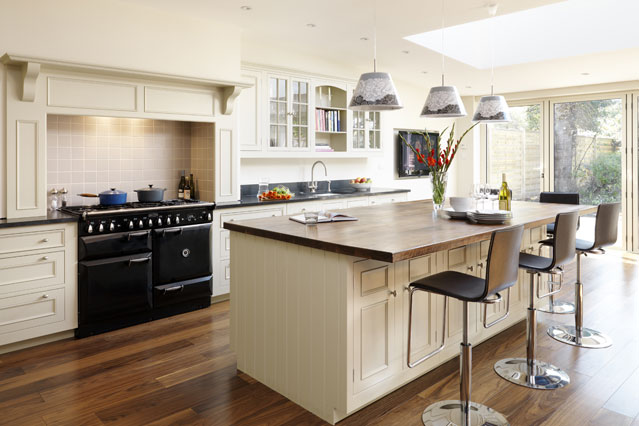
This is what we’ve learned matters: kitchens designed around how you actually live. Not how designers think people should live. Not what’s easy to build. But what genuinely improves your daily experience. These kitchens might not photograph as well as Instagram kitchens, but they perform beautifully every single day.
Here’s the thing that separates Type Three from the others: it requires real conversation, observation, and genuine problem-solving instead of just executing a design.
What We’ve Learned from 300+ Renovations (The Uncomfortable Truths)
Let me share what we’ve discovered through two decades of kitchen work. Some of this contradicts everything you see on home design shows.
The Layout Matters More Than The Style
We had a client in West Vancouver—beautiful home, unlimited budget. She wanted a specific cabinet style she’d seen in a design magazine. We built it perfectly. But we talked her into a different layout than the magazine showed because her actual kitchen space was totally different from the photo’s space.
Six months in, she told us the cabinet choice mattered about 20% as much as the layout change. The new workflow—being able to move from fridge to prep area to stove without awkward angles—changed how she felt about cooking every single day.
The uncomfortable truth for designers: the most expensive choice (the cabinet style) matters less than the logical choice (the layout).
You’ll Use 20% Of Your Counter Space Regularly
Everyone wants “more counter space.” But here’s what we’ve observed: most people use about 20% of their counter space regularly. The rest becomes a dumping ground for mail, keys, and whatever else is lying around.
When we design kitchens now, we prioritize that 20%—the landing zone where you actually do work. We make it deep, we make it durable, and we make sure it’s positioned right for the cooking workflow. The other 80%? We make it beautiful so it looks great, but we don’t optimize it for work because honestly, most people won’t work there.
This is counterintuitive. Everyone thinks they want maximum counter space. But what they actually want is the right counter space in the right place.
Island Seating Almost Never Works How People Imagine
This one’s controversial because islands are supposed to be the heart of the modern kitchen. But we’ve observed something consistent across our North Vancouver projects: most people overestimate how much they’ll actually use island seating.
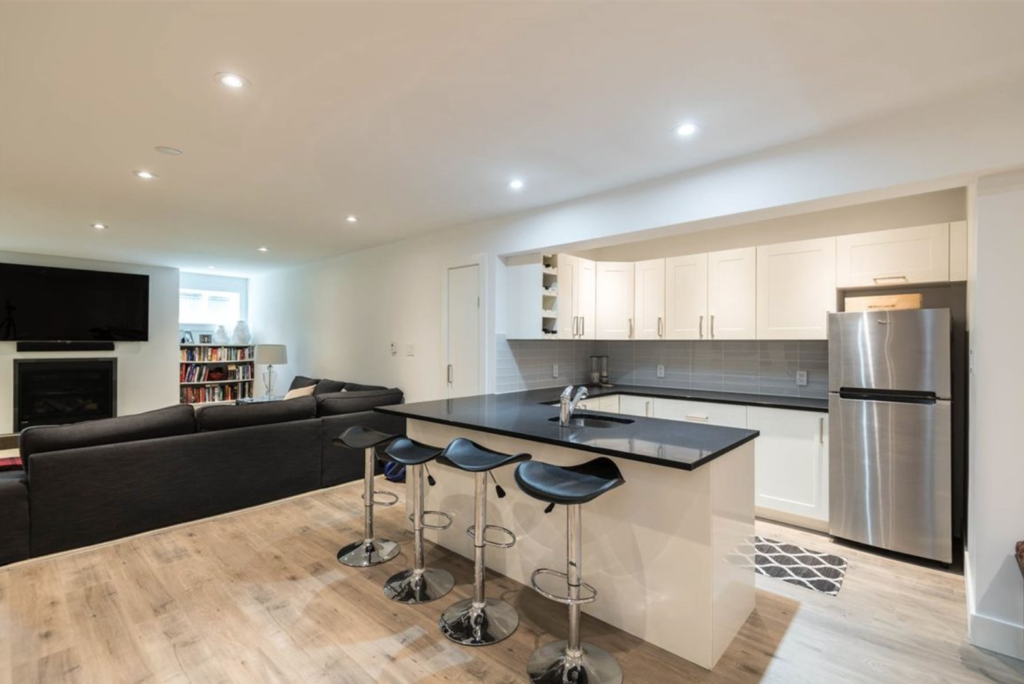
In real kitchens with real families, the island seating becomes a place to drop backpacks and put mail. The actual eating and gathering happens at a dining table. The idea of casual snacking while someone cooks is romantic but rarely happens consistently.
We still build islands. But we build them based on the actual function of the kitchen rather than the design magazine fantasy.
Storage Visibility Changes Behavior
Here’s something we’ve learned that actually changes how people use their kitchens: visible storage (open shelving, glass-front cabinets) makes people use those items more. Hidden storage (solid cabinet doors) makes people forget what’s inside and buy duplicates.
The practical implication? If you actually want to use your nice serving dishes or that collection of vintage glassware, put it on open shelving. If you want to hide the boring everyday stuff, use regular cabinets. It sounds obvious but it genuinely affects purchasing behavior and organization patterns.
Appliance Positioning Matters More Than Appliance Cost
The expensive fridge, the fancy range, the high-end dishwasher—they matter less than where they’re positioned in your workflow. We’ve seen $10,000 kitchen remodels that flow beautifully and $50,000 kitchen remodels that create constant friction during actual cooking.
Position the most-used appliances in the work triangle (fridge, range, sink). Get that right and a $2,000 range will make you happier than a $6,000 range in the wrong spot.
The Real Cost of Kitchen Renovations in Vancouver (And Why The Price Matters)
People always ask about cost. And I’m going to be straight with you because we’ve done enough of these projects to know the real numbers in the Vancouver market.
A basic kitchen renovation in North Vancouver or Vancouver runs $15,000-25,000. That’s updating cabinets, countertops, some new appliances, fresh flooring. It looks nicer. It functions roughly the same as before.
A mid-range renovation (the kind most people should do) runs $30,000-50,000. You’re getting a real layout change, quality materials that’ll last 15-20 years, actual problem-solving, and genuine design input. This is where most of our work happens.
A luxury renovation runs $60,000-100,000+. You’re getting premium everything—imported materials, custom cabinetry, high-end appliances, professional design coordination.
Here’s what we’ve learned: the middle category (30-50k) delivers about 80% of the actual satisfaction improvement. You’re fixing real problems, getting quality that lasts, and you’re not paying for marble and brass just to say you have marble and brass.
The difference between a $25,000 kitchen and a $50,000 kitchen is usually substantial. The difference between a $50,000 kitchen and a $100,000 kitchen is mostly aesthetic preference and material luxury, not functional improvement.
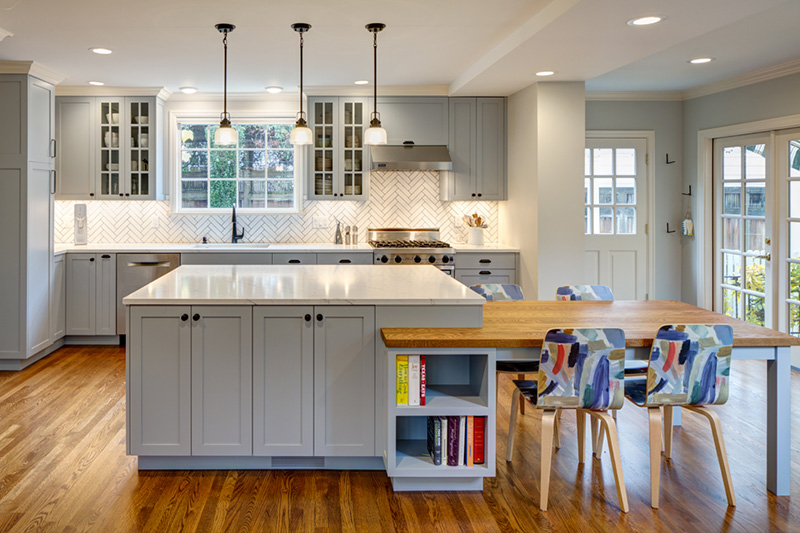
How We Actually Approach Kitchen Design (The Process Nobody Explains Well)
Most people think kitchen design means picking cabinet colors and countertop materials. That’s maybe 30% of what actually matters.
Here’s how we actually approach it:
Week One: Observation and Conversation
We spend time in your kitchen. Not designing. Watching. We ask you to cook something. We watch where you move, where you reach, what frustrates you. We ask your partner about their cooking style. They might work completely differently than you.
We take measurements, but we also take notes about how you live. Do you have kids underfoot? Do you entertain frequently? Do you batch-cook on Sundays? Are you a minimalist or do you have lots of gadgets?
Week Two: Layout Options
We come back with 3-4 different layout options. Not full designs yet. Just different ways of arranging the core elements. We explain the workflow implications of each option.
This is where most people realize they don’t actually want the layout they initially described.
Week Three: Material and Detail Selection
Once the layout is locked, we work through materials. This is where personal preference matters. But we always explain the trade-offs: why this cabinet door style will show fingerprints, why this countertop material needs sealing annually, why this backsplash is beautiful but impractical for your family’s lifestyle.
Week Four: Contractor Selection and Reality Check
We make sure you understand the actual timeline and inconvenience of the renovation. Most people underestimate how disruptive a kitchen renovation is to daily life. We’re honest about that.
Common Kitchen Renovation Mistakes (We See These Constantly)**
In 300+ renovations, we’ve watched people make the same mistakes repeatedly.
Mistake One: Not Addressing Lighting
You can have beautiful cabinetry and gorgeous countertops, but if the lighting is wrong, the kitchen feels wrong. We’ve done kitchens where we didn’t change much except add proper task lighting under cabinets and overhead lights positioned right. The transformation in how the space feels is remarkable.
Mistake Two: Forgetting About Appliance Ventilation
You buy a beautiful range hood, but it’s positioned in a way that vents cooking smell directly into your living room. Or you do an open concept and suddenly smell from cooking permeates your entire home. We spend a lot of time thinking about where air actually moves through a kitchen.
Mistake Three: Choosing Materials Based on Photos, Not Lifestyle
That white marble countertop looks stunning in magazines. But if you have kids and cook frequently, you’re going to hate it within a year. We always talk about lifestyle compatibility before material selection.
Mistake Four: Island Without Purpose
The kitchen island is supposed to be functional. But we see islands that block traffic flow, islands that are the wrong height for how the household actually uses them, islands that just look pretty. Every element should earn its place through actual use.
Mistake Five: Not Planning For How You’ll Actually Live During Renovation
Most people think “we’ll just use the microwave for a few weeks.” But two months into a kitchen renovation, you’re tired of eating prepared food and frustrated by the chaos. We help clients set realistic expectations and sometimes recommend phasing the work differently.
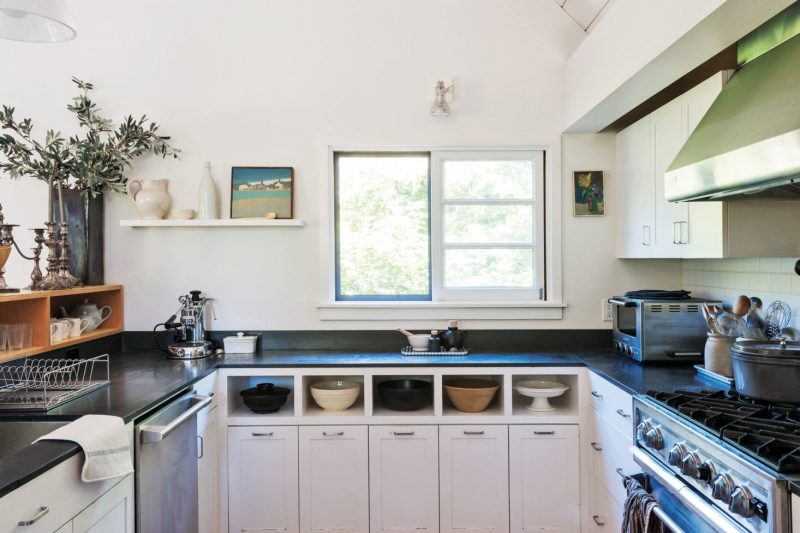
Real Kitchen Transformations from Our Work (What Actually Changed)
Let me share some actual examples because that’s where the real learning happens.
The Lynn Valley Family (Type Three: Functional Kitchen)
They had a kitchen that was technically fine but created constant workflow problems. Mom and teenage daughter couldn’t both cook comfortably. The pantry was cramped. The island didn’t match how they actually used the space.
We repositioned the island, reconfigured the pantry, added better task lighting. The renovation cost $38,000. Nothing fancy. Quality materials, thoughtful layout. Eighteen months in, the mom told us it was the best money she’d spent on the house. Not because it looked different, but because cooking actually felt good now.
The Squamish Empty Nesters (Downsizing Expectations)
They thought they wanted a big dramatic kitchen renovation when they really just wanted a kitchen that matched their current lifestyle. We recommended a smaller, more targeted renovation ($22,000) instead of the $60,000+ they were considering.
They got beautiful results without overthinking it. Sometimes the best renovation is the one that’s right-sized for your actual needs.
The West Vancouver Entertainer (Type One Learning)
She wanted an Instagram kitchen because she entertains frequently. We could have built that. Instead, we pushed back and designed around actual entertaining workflow. Bigger prep space. Better traffic flow for guests. Placement of appliances that don’t create bottlenecks during dinner parties.
It photographs beautifully because it actually functions beautifully. Form and function aligned instead of opposed.
What This Means For Your Kitchen Renovation (The Honest Assessment)
If you’re thinking about a kitchen renovation in Vancouver or North Shore, here’s what we’ve learned matters:
Start With Honest Conversation, Not Design Ideas
Don’t bring Pinterest photos. Bring real conversations about how you cook, who uses the kitchen, what frustrates you currently. The design should solve those real problems, not impose solutions on a fictional version of your life.
Prioritize Layout and Workflow Over Style
The cabinet color matters way less than the layout. Get the workflow right and you’ll love the kitchen every single day for years. Get the layout wrong and even the most beautiful design will eventually frustrate you.
Budget For Quality, Not Luxury
The $30,000-50,000 range delivers real value and genuine problem-solving. Spending more than that buys you nicer materials and finishes, but not necessarily more satisfaction.
Plan For Actual Disruption
A kitchen renovation disrupts your life significantly for 2-3 months. Plan for that. Don’t tell yourself “we’ll make do.” Accept the reality and plan accordingly.
Find A Contractor Who Asks Good Questions
The best contractor isn’t the one who shows you portfolio photos. It’s the one who spends time understanding your life and your actual needs. We spend a lot more time in conversation during initial consultations than most contractors, because that’s where the good work begins.
The Future of Kitchen Design (What We’re Seeing Change)
After twenty years of this work, I’m seeing some shifts:
Authenticity Over Instagram
Younger homeowners are caring less about how their kitchen photographs and more about how it actually functions. They’re choosing materials and styles they genuinely like rather than what’s trending.
Flexibility and Adaptability
More people are designing kitchens that can adapt as life changes. Moveable islands. Flexible storage. Built-in spaces for whatever comes next rather than locked-in assumptions about how they’ll live.
Local and Sustainable Materials
We’re seeing more interest in locally-sourced materials and durable pieces that’ll last rather than trendy finishes that’ll feel dated in five years.
Integration With Technology
Smart storage, charging stations, better lighting controls. Technology that actually solves problems rather than technology for its own sake.
Questions We Actually Get Asked (The FAQ Section)
“How long does a kitchen renovation actually take?”
Two to three months for most renovations. Sometimes four if we’re doing structural changes. Not including the time from initial consultation to start of work, which is usually 3-4 weeks.
“Can we live here during the renovation?”
Technically yes. Practically? It’s miserable. We usually recommend staying elsewhere or planning carefully.
“What’s the timeline from first consultation to finished kitchen?”
Usually 4-6 months total. Consultation, design, contractor selection, permitting, construction. We move as quickly as possible but won’t rush the thinking phase.
“Should we do the whole kitchen or phase it?”
If budget allows, do it all at once. Phasing creates multiple disruptions and usually costs more overall. But if you’re limited on budget, we can absolutely phase strategically.
“Will this improve our home’s value?”
Absolutely, but that shouldn’t be the main reason. A well-designed functional kitchen that matches the rest of your home? That adds value. A mismatched luxury kitchen in a modest house? Probably not.
“What’s the most common kitchen mistake you see?”
Choosing style before solving workflow problems. The cabinet color matters way less than whether you can actually cook comfortably.
The Real Truth About Kitchen Renovations
Here’s what I’d tell anyone sitting where you are right now, thinking about a kitchen renovation:
Your kitchen isn’t actually about the kitchen. It’s about the intersection of how you live and the physical space that supports that living. The best renovations happen when you’re honest about your actual life—not the life you wish you had or the life design magazines say you should have—and you design around that reality.
After 300+ kitchens, the ones we’re most proud of aren’t the most expensive ones. They’re the ones where the homeowner says, “We love being in this space now.” That’s success. That’s the work that matters.
If you’re thinking about kitchen renovation in Vancouver, North Shore, or anywhere in the Pacific Northwest, we’d love to talk. Not to sell you something you don’t need. But to help you think through what would actually improve how you live.
Walker General Contractors Phone: 604.781.7785 Email: info@walkergeneralcontractors.ca Location: 1330 Marine Dr #409, North Vancouver, BC V7P 1T4, Canada
We’ve been transforming North Vancouver and Vancouver kitchens for over two decades. We’ve learned what actually matters. Let’s build a kitchen that serves your real life, not just photographs beautifully.
About the Author: netsdev

Related Posts