

How to Prepare Your Vancouver Home for a Major Renovation?
A Fairview homeowner called us Friday afternoon: “Demo starts Monday. My contractor just told me I need to clear everything out of the kitchen by Sunday night. Where do I even start?” She had $78,000 worth of custom cabinets arriving Tuesday, a family of four eating meals, and zero plan for where the microwave, dishes, or food would go for the next 14 weeks.
This happens constantly. Homeowners sign contracts, get excited about the finished result, then realize 48 hours before demolition that they haven’t prepared their home, their family, or their daily routines for months of construction chaos.
After managing 180+ Vancouver renovations, we’ve identified the exact preparation steps that prevent disasters—and the shortcuts homeowners take that cost them thousands in damaged belongings, extended timelines, and daily frustration.
4-6 Weeks Before: The Administrative Foundation
Secure all permits before work starts. Verify your contractor submitted and received permit approval. Vancouver building permits take 12-26 weeks for complex projects. A Grandview contractor started demo without permits—City inspector issued stop-work, $4,200 fine, 19-week delay. Total cost: 5 months + $4,200 + $8,700 storage fees.
Notify your insurance in writing. Standard policies don’t cover construction damage. Renovation riders cost $300-$800 but cover up to $100,000 in damages. Email: “We’re renovating [areas] from [dates]. Please confirm policy covers construction-related damages.” Get written confirmation.
Condo/strata approval 6-8 weeks ahead. Requirements: renovation plans, contractor insurance, $2,000-$5,000 deposit, elevator booking ($200-$500), construction hours approval, parking arrangements. Yaletown owner skipped this—strata fined $500/day for 12 days = $6,000.
3 Weeks Before: Protect What’s Staying
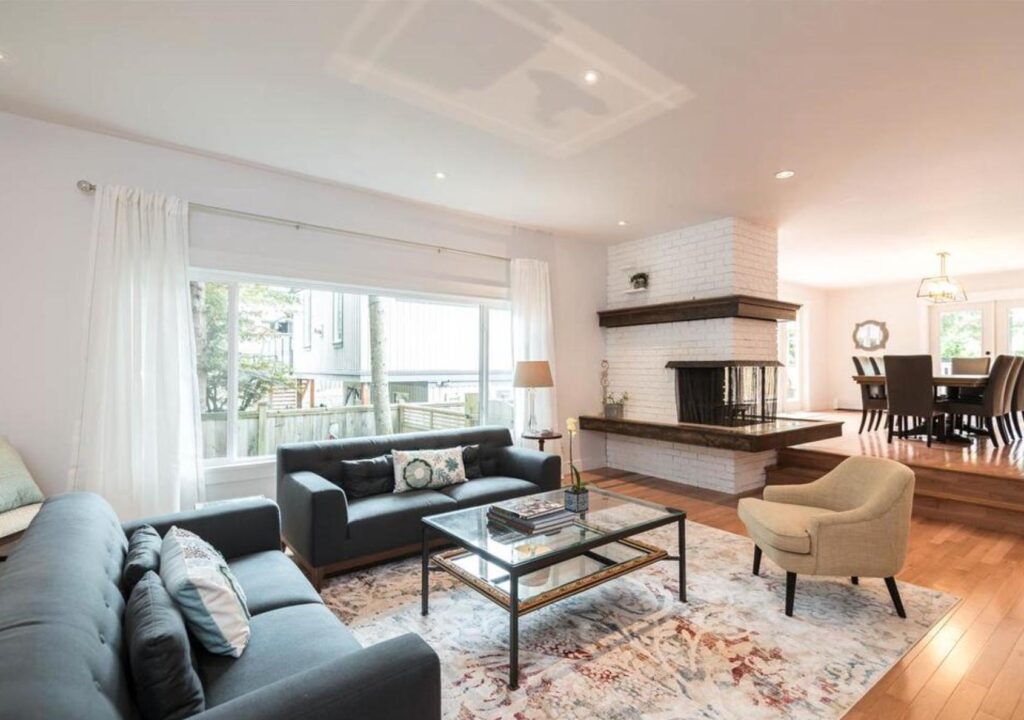
Move everything out of renovation zones. Not “most things.” Everything. That includes: all furniture, wall art, rugs, lamps, electronics, curtains, plants, decorative items. Construction dust penetrates closed cabinets. We’ve seen homeowners open “sealed” kitchen cabinets after demo to find 1/4 inch of drywall dust coating every dish.
A Mount Pleasant homeowner left dishes in cabinets during kitchen demo “because they were behind closed doors.” Post-demo, every single dish, glass, and pot needed washing. 180 pieces. She spent $320 hiring someone to wash everything because she didn’t have a working kitchen sink.
Rent storage for 90% of homeowners. A 10×10 storage unit costs $180-$280/month in Vancouver. For a 12-week kitchen renovation, that’s $540-$840 total. Much cheaper than replacing dust-damaged furniture or washing 400 items.
Store: all furniture from renovation area, dishes/cookware if renovating kitchen, clothing from affected bedrooms/closets, important documents, valuables, anything you’d cry about if covered in sawdust.
Set up dust barriers the contractor won’t. Professional contractors should install 8-mil plastic sheeting with zipper doors, but many cut corners. If you’re living in the home during renovation, you install backup protection: seal heating/cooling vents in non-renovation areas with plastic and tape (dust travels through ductwork), close doors to bedrooms and tape the gaps with painter’s tape, cover remaining furniture with plastic drop cloths, not fabric (fabric absorbs dust).
2 Weeks Before: Establish Your Survival Systems
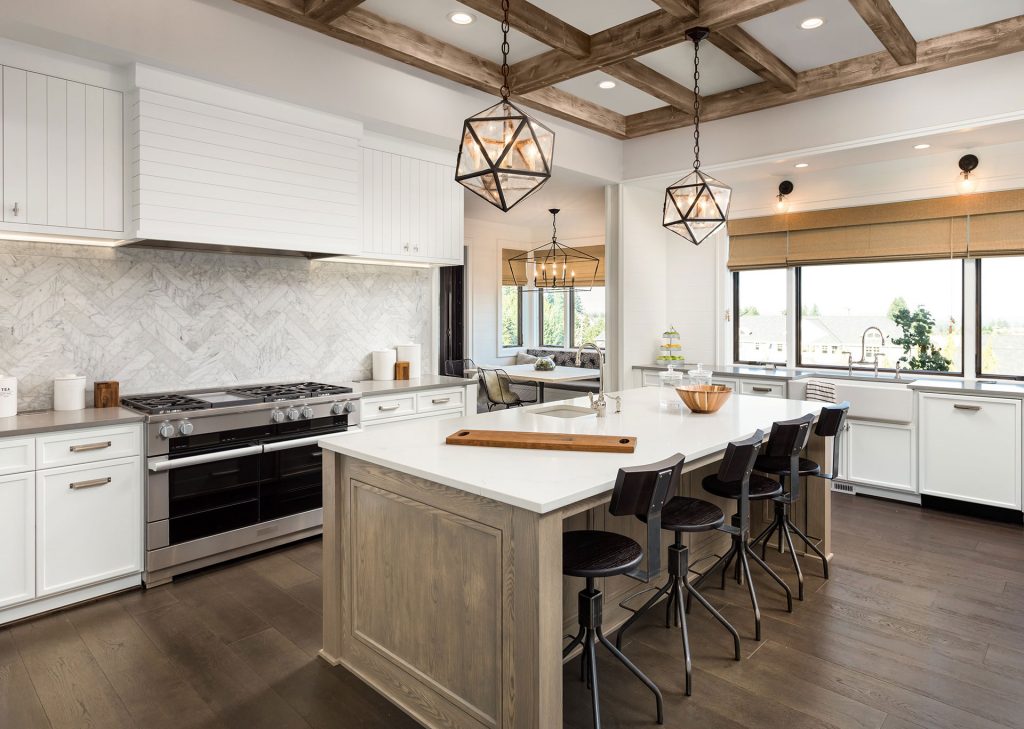
Create a functional temporary kitchen if renovating yours. Set up in garage, basement, or spare bedroom: microwave, toaster oven, electric kettle, mini-fridge, coffee maker, dish tub (for washing with no sink), paper plates/cups/utensils, small table.
A Riley Park family renovated their kitchen for 16 weeks. They set up a mini kitchen in their garage: full-size fridge ($400 used from Craigslist, sold after for $350), countertop and microwave, folding table, dish washing station with two plastic tubs. Total setup cost: $180. They calculated they saved $4,800 compared to eating out daily.
Arrange bathroom access if renovating bathrooms. If it’s your only bathroom, you need alternative plans. Options: negotiate shower access with a friend/family member nearby, join a gym with shower facilities ($40-$80/month), rent an AirBnB for critical weeks when bathroom is demolished, install a temporary toilet if permitted (contractors can arrange porta-potty rentals for $200-$350/month).
Don’t underestimate this. A Kitsilano couple renovated their only bathroom without a plan. Week two, the toilet was gone for 8 days while plumber waited for a custom-ordered part. They drove to a Starbucks 1.2 kilometers away every single bathroom trip. For 8 days.
Establish where you’ll actually live. Be honest about your tolerance for construction. Options:
Stay in home: Works if renovation is isolated to one area, you have alternative bathroom/kitchen access, you can tolerate noise 8-9 hours daily, you don’t have infants/toddlers (construction sites are dangerous for small children), you can work from somewhere else (noise makes work calls impossible).
Temporary housing: Short-term rental costs $2,500-$4,500/month for 2-bedroom in Vancouver. For 12-week kitchen reno, that’s $7,500-$13,500. Expensive, but preserves sanity. Many homeowners underestimate construction stress and end up renting mid-project anyway—cheaper to plan it upfront.
Phased approach: Live in bedrooms while main floor is renovated, move to main floor when bedrooms are renovated. Requires flexible contractor willing to coordinate this complexity.
1 Week Before: Final Logistics
Photograph everything. Walk through every room with your phone, taking photos of: walls, floors, ceilings, fixtures, countertops, areas adjacent to renovation zones. If contractor damage occurs, photos prove pre-existing condition. Email photos to yourself with date stamps.
Clear contractor access paths. Mark the route from street to renovation area. Move any obstacles: bicycles in hallways, coat racks near doors, planters on walkways. Contractors carrying materials will damage obstacles in their path. A Dunbar homeowner’s antique hallway table got gouged by a 2×4 because it sat 18 inches from the path to the kitchen. Repair cost: $480.
Establish communication protocol. Agree on: daily check-in time (we recommend 4 PM—end of workday, discuss progress/tomorrow’s plan), method (text, phone call, in-person), who you contact for decisions (general contractor, not individual trades), how quickly you’ll respond to decision requests (contractors need answers within 24 hours or work stops).
Do a final walkthrough with your contractor. Confirm: work scope matches contract exactly, start date and projected end date, daily work hours (typically 8 AM-5 PM), where contractors can use bathroom/store tools, where they’ll dispose of debris (dumpster location if applicable), dust containment plan, floor protection plan.
During Construction: Managing the Chaos
Dust is inevitable despite perfect containment. Vacuum daily in non-renovation areas. Change HVAC filters weekly instead of monthly—construction dust clogs them fast. A Marpole homeowner ignored this for 8 weeks, burned out furnace blower motor: $1,200 replacement.
Store items in sealed plastic bins, not cardboard boxes (dust seeps through). Even items in “safe” upstairs bedrooms get dusty.
Plan meal routines. Vancouver families spend $22-$38/day on takeout during kitchen renovations ($1,848-$3,192 over 12 weeks). Better: batch cook weekends and freeze, use meal delivery ($12-$18/person), embrace temporary kitchen, eat cold breakfasts/lunches.
Keep pets and children away. Construction sites have: exposed nails, power tools, chemicals, uncovered holes, unstable materials. Use baby gates, temporary fencing, locked doors—not just verbal instructions to contractors.
Frequently Asked Questions
Q: How far in advance should I start preparing?
A: Begin 6-8 weeks before construction. This allows time for: permit verification, insurance updates, strata approvals (if applicable), storage rental, temporary kitchen setup. Contractors may push 2-week starts—resist. Proper preparation prevents expensive mistakes.
Q: Can I live in my home during a major kitchen renovation?
A: Yes, but with significant lifestyle adjustments. Need: temporary kitchen setup (microwave, mini fridge, hotplate), tolerance for daily 8 AM-5 PM noise, daily dust cleaning, altered meal routines for 8-16 weeks. About 60% of kitchen renovation clients stay home; 40% relocate. Families with young children usually relocate.
Q: What’s the biggest mistake homeowners make?
A: Underestimating dust penetration. Closed doors and cabinets don’t protect items. Fine drywall dust travels through tiny gaps, HVAC systems, into “sealed” spaces. Only protection: remove items entirely or store in sealed plastic bins.
Q: Do I need to be present during construction daily?
A: Not required but recommended week one to verify work matches plans, catch mistakes early, answer questions quickly, build rapport. After week one, 4 PM check-ins via phone/text usually suffice. Be available for decisions—contractors need homeowner approval to proceed on many items.
Q: How do I protect hardwood floors during renovation?
A: Multi-layer protection required: rosin paper directly on floor (prevents scratches) + 1/8″ hardboard panels taped together (prevents dents from dropped tools). Cardboard alone insufficient—tears easily, doesn’t prevent dents. Protection costs $1.50-$2.50/sq ft but prevents $4,000-$8,000 floor refinishing. Specify in contract—make contractor responsible.
Q: What if I find unpermitted work during renovation?
A: Stop work immediately. Unpermitted work must be brought to code before proceeding: hire engineer to assess, obtain retroactive permits, potentially open walls to verify code compliance, pass inspections. Cost: $2,000-$12,000 depending on severity. Commercial Drive homeowner discovered unpermitted electrical—bringing to code added $6,800 and 5 weeks.
Q: Should I tip contractors or buy them coffee/food?
A: Not required but appreciated. Offering coffee/water/snacks builds goodwill. Tipping uncommon for large projects ($40,000-$100,000+ contracts). For exceptional work or finishing ahead of schedule, consider $100-$200 per crew member or restaurant gift cards.
Ready to renovate without the chaos? Walker General Contractors includes detailed preparation guidance with every contract. We provide: 6-week pre-renovation checklist specific to your project, floor protection and dust containment (not optional add-ons—included), daily 4 PM progress updates, clear decision timelines so you’re never rushing, realistic temporary living assessments (we’ll tell you honestly if you should relocate). Call 604-781-7785 or email info@walkergeneralcontractors.ca for a consultation where we’ll review your home, explain exactly what preparation your specific renovation requires, and help you plan for minimal disruption to your daily life.
About the Author: netsdev

Related Posts